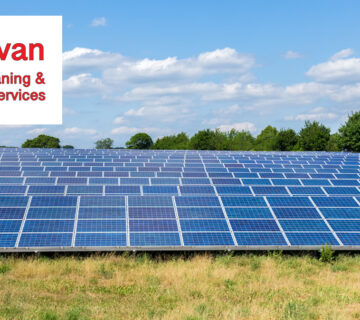
Clean solar panels generate more electricity. For homeowners, that means better value from your investment and a shorter payback period. Over time, panels collect dust, pollen, bird fouling, traffic film, and lichen. Rain helps a little, but it does not remove greasy films or baked-on deposits. A safe, professional clean restores light transmission and keeps your system performing as it should.
This guide explains why cleaning matters, how we clean safely, how often to book, and what to expect on the day.
Why residential solar panel cleaning matters
- More energy from the same panels: Dirt blocks light. Even a small drop in transmission reduces output, especially on lower-pitch roofs where water doesn’t rinse debris away.
- Protect your investment: Removing deposits helps prevent localised hot spots that can stress cells over time.
- Warranty and maintenance: Many manufacturers and insurers recommend periodic cleaning as part of routine care.
- Better monitoring data: Clean panels make it easier to spot genuine faults rather than soiling-related dips.
Typical contaminants on homes include pollen and dust in dry spells, bird droppings near roosts and aerials, tree sap and leaf residue from overhanging branches, and salt in coastal areas.
How we clean domestic panels safely
We follow manufacturer guidance and use equipment designed for PV glass to avoid scratches and residues.
Our method:
- Purified water: We use pure water that dries without spotting or mineral deposits.
- Soft brush systems: Non-abrasive, purpose-made brushes on water-fed poles to lift dirt gently.
- No high-pressure jets on glass: We never blast panels or use abrasive pads.
- No harsh detergents on the active surface: Frames may be treated locally where needed, but we keep chemicals off the glass.
- Access planned for safety: Most homes are cleaned from the ground with extendable poles. Where required, we use safe roof access, platforms, or MEWPs in line with risk assessment.
Before we start, we check for visible issues such as cracked glass, loose frames, damaged seals, or bird nests under arrays. If we find anything, we will let you know.
What to expect on the day
- Arrival and brief: We confirm the array location, access route, and any concerns you have noticed.
- Setup and safety: Cordon off working areas, protect landscaping as needed, and position our purified water system.
- Pre-soak and clean: Loosen debris with flow-controlled pure water, then gently agitate with the soft brush. Stubborn spots (particularly bird fouling) are softened and lifted, not dragged across the surface.
- Rinse and check: Final rinse with pure water for a streak-free finish. We visually inspect rows and edges.
- Tidy and handover: We leave the area clean and provide before/after photos on request.
Most residential cleans take 60 to 120 minutes depending on array size, access, and contamination.
How often should you clean panels
Cleaning frequency depends on your home’s environment:
- Low contamination (good pitch, little nearby traffic or trees): every 12 to 24 months
- Moderate contamination (suburban roads, nearby trees, lower pitch): every 6 to 12 months
- High contamination (coastal, heavy bird activity, flat or near-flat arrays): 2 to 4 times per year
If you notice visible fouling or a steady drop in generation compared to similar weather last year, it may be time to clean sooner.
Signs your panels need cleaning
- Visible bird droppings, pollen haze, or a dull film on the glass
- Patchy output between strings or a noticeable drop in daily kWh
- Streaking from mineral deposits after light rain
- Heavier dirt on the lower edge of panels where water dries and leaves residue
If you use a monitoring app, compare current clear-sky production to the same season last year. A persistent shortfall without shading or faults often indicates soiling.
FAQ
Do rain and wind clean panels well enough?
Rain helps, but it also leaves mineral spots and won’t remove sticky or baked-on grime. Professional pure-water cleaning removes the film that rain cannot.
Will cleaning scratch the glass?
No. We use PV-safe, non-abrasive brushes and purified water. We never use scouring pads or high-pressure lances on glass.
Do you turn off the system?
We follow a safe working method and avoid disturbing electrical connections. For standard cleaning, system isolation is usually not required, but we will follow site-specific guidance and your installer’s recommendations if needed.
What if my panels are difficult to reach?
We use long-reach poles from safe positions. If access is complex, we plan alternative safe methods such as platforms or MEWPs in line with a risk assessment.
Can you remove lichen?
Lichen bonds strongly to glass. We soften and carefully lift what is safe to remove. Heavy lichen often needs more than one visit and may require a follow-up once weakened by weathering.
Will cleaning void the warranty?
Cleaning in line with manufacturer guidance supports warranty care. We avoid chemicals and abrasive methods on the glass and can provide visit records on request.
Why choose a specialist team
- Experience with domestic arrays of all sizes and roof types
- Pure-water, PV-safe cleaning methods for spotless results
- Careful access planning to protect your roof, garden, and façade
- Respectful, tidy work with clear communication
- Optional photos and basic observations to support your maintenance records
- Simple, transparent pricing with free, no-obligation quotes
Clean panels perform better and look better. With a sensible cleaning schedule, you protect your investment and get the most from every hour of sunshine. If you would like a friendly, fast quote, tell us your address, array size or panel count, roof pitch, and any access notes. We will recommend a schedule and provide clear pricing to suit your home.