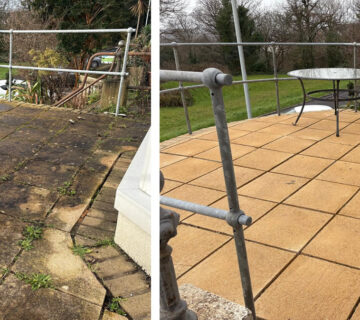
Soft washing your garden fences to remove moss
Moss on your fence can make the garden look a bit “bog standard”, sorry, I’ll see myself out. The good news is that soft washing garden fences is one of the safest, most effective ways to remove moss, algae and green staining without battering the timber. For thicker moss, we recommend a two-step approach: a careful pressure wash on fan mode first, then a soft wash treatment to clean deeper and help slow regrowth.
At D. Sullivan & Sons, we clean fences, patios, roofs, gutters, windows and all sorts of exterior surfaces across Swansea and the surrounding areas. As a family-run business with over 40 years’ experience, we know how to clean timber properly without turning your fence panels into splinters with ambition.
Why does moss grow on garden fences?
Moss loves damp, shaded areas. If your fence sits under trees, behind shrubs, close to a wall, or in a part of the garden that doesn’t get much sun, it’s basically rolling out the welcome mat.
In Swansea, we also have our fair share of wet weather. Lovely for the greenery, not always ideal for timber fencing. When moisture hangs around, moss and algae can take hold on the surface, especially if the wood is older, untreated, or already a little weathered.
Common causes of moss on fences include poor airflow around the panels, overhanging branches, shaded gardens, soil or plant debris resting against the base, and general damp conditions. Once moss gets established, it holds even more moisture against the wood, which is where problems can start.
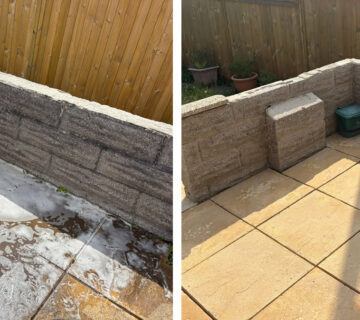
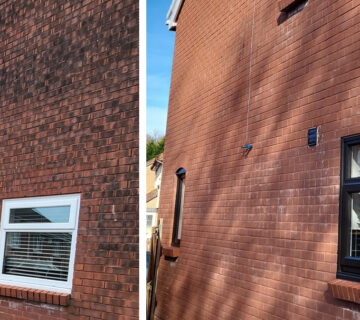
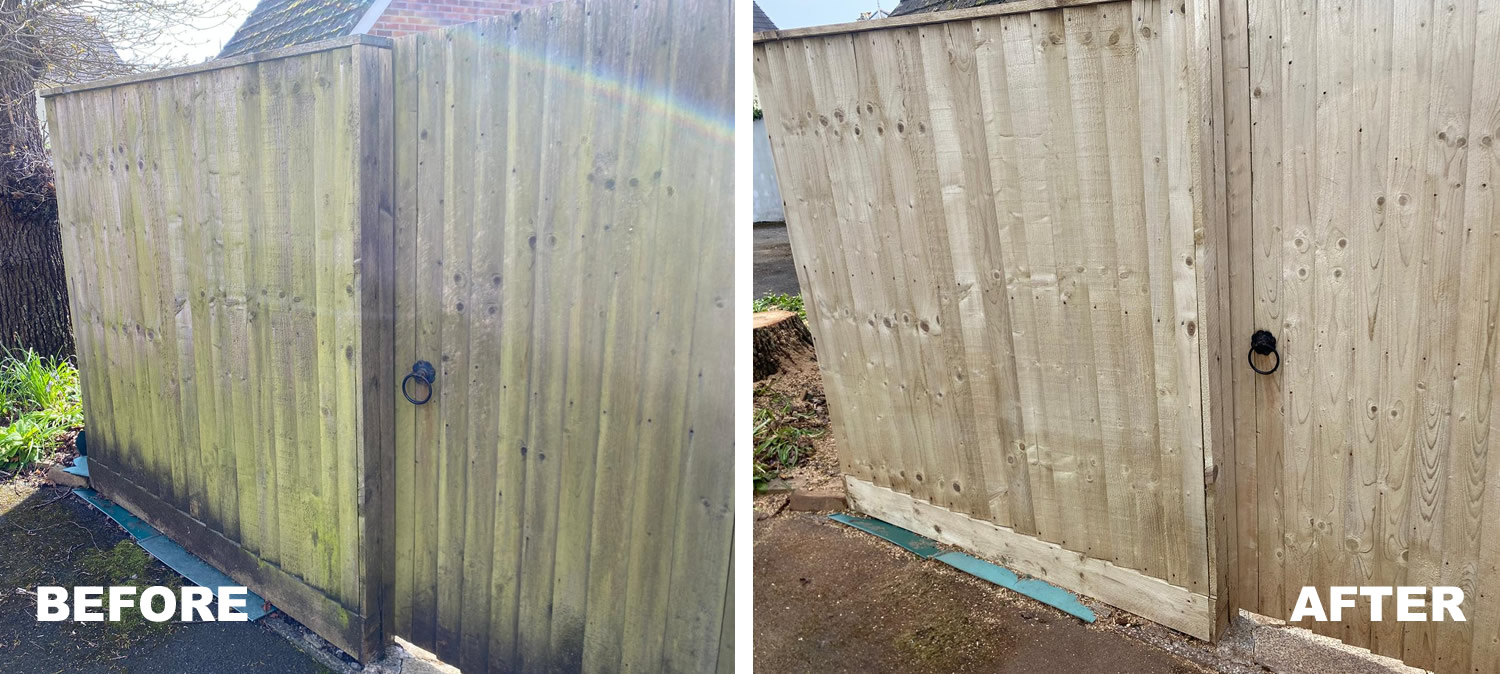
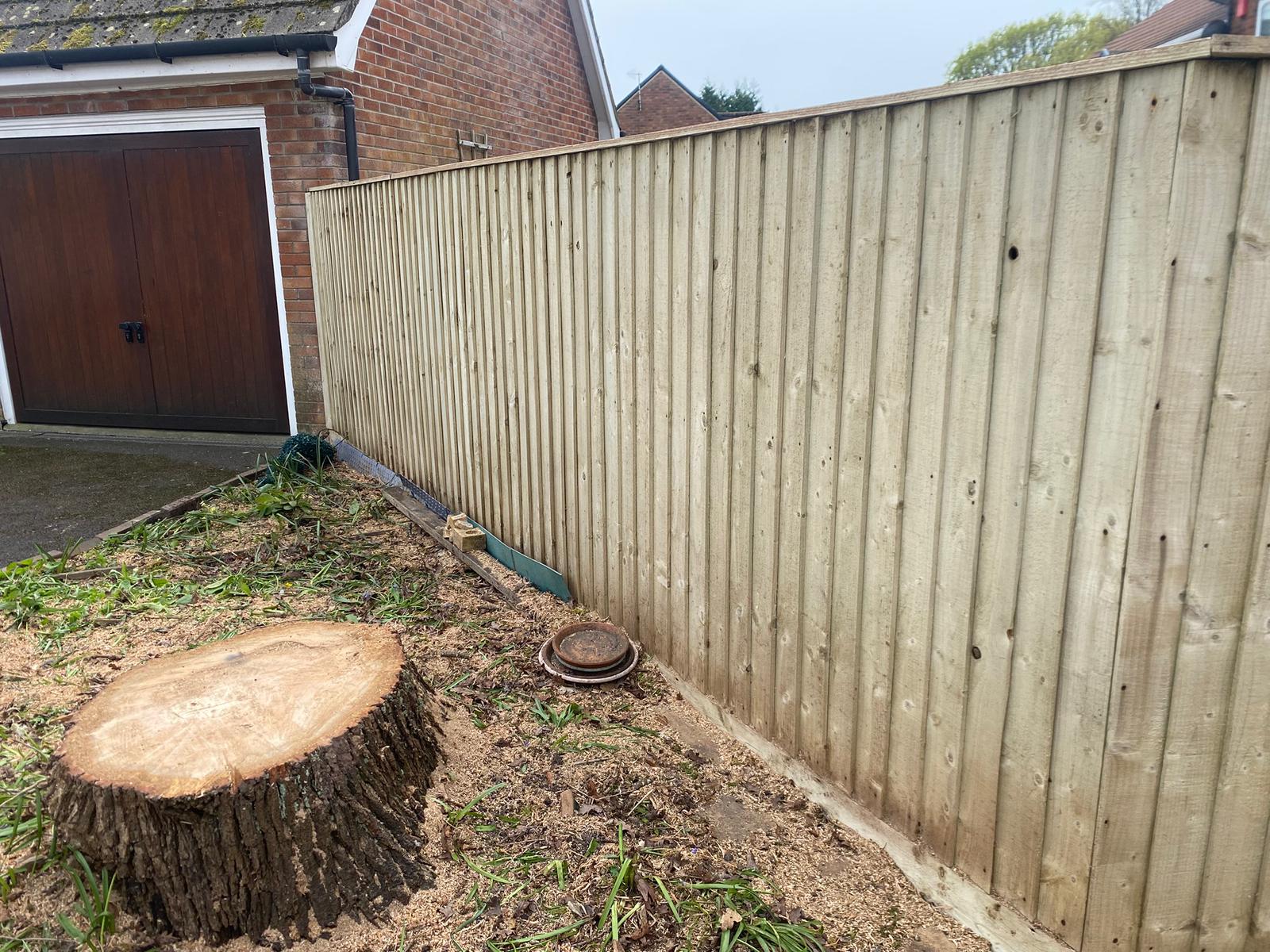 After
After
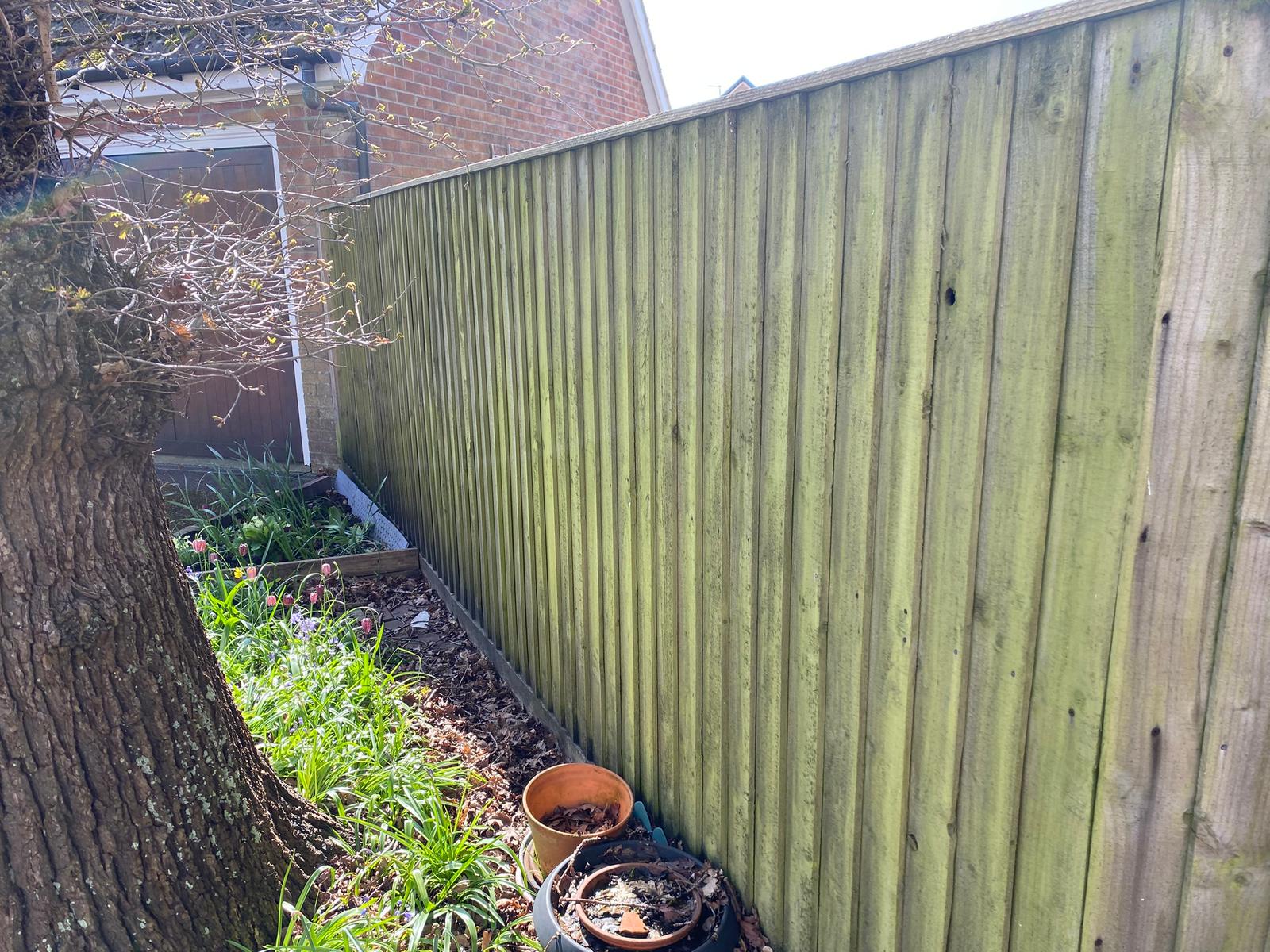 Before
Common causes of moss on fences include poor airflow around the panels, overhanging branches, shaded gardens, soil or plant debris resting against the base, and general damp conditions. Once moss gets established, it holds even more moisture against the wood, which is where problems can start.
Is soft washing better than pressure washing for fences?
In many cases, yes. Soft washing is better for garden fences long-term because it uses low pressure and specialist cleaning solutions to break down organic growth. Rather than blasting the surface, it treats the cause of the staining.
Pressure washing has its place, but used incorrectly on timber, it can roughen the grain, leave lines, force water into the wood, or damage older panels. I have seen fences come out of a heavy pressure wash looking like they’ve had a stressful week and a bad haircut.
Soft washing is gentler. It cleans moss, algae and lichen more thoroughly and can help reduce how quickly they come back. It is especially useful on wooden surfaces where preservation matters as much as appearance.
For general advice on timber care, the Royal Horticultural Society has helpful guidance on maintaining healthy garden spaces, including the importance of airflow, pruning and reducing damp conditions around plants and structures.
The best method: pressure wash first for thick moss, then soft wash
This is where experience makes all the difference. If a fence has thick moss growth, soft washing alone may not be the best first step. Heavy moss can act like a little green cushion, stopping the treatment from reaching the timber surface properly.
For thick moss, D. Sullivan & Sons use a careful two-stage process.
First, we use a pressure washer on fan mode to remove the bulk of the moss. The fan setting spreads the pressure over a wider area, making it far safer for timber than a narrow jet. We work methodically and avoid getting too close to the surface.
Then, once the heavy growth has been cleared, we apply the soft wash treatment. This helps kill off remaining spores and organic staining, giving a cleaner, longer-lasting result.
For lighter moss, algae or green staining, a soft wash only may be enough. There is no need to overdo it. The trick is knowing when to use pressure, when not to, and how much is too much. That is exactly where our 40-plus years of exterior cleaning experience comes in handy.
Why not just scrub it by hand?
You can remove light moss by hand with a stiff brush and a suitable cleaning solution, and for a tiny section, that may do the job. It is not glamorous, but then again, neither is kneeling beside a fence arguing with a clump of moss on a Saturday morning. I speak as someone who has lost that argument before.
The downside is that hand scrubbing can be time-consuming, uneven and tiring. It may also only remove what you can see, leaving spores behind in the surface of the timber.
Professional soft washing gives a more consistent finish and treats the biological growth more effectively. It is also much quicker, which is helpful if you would rather spend your weekend enjoying the garden than wrestling it.
Will soft washing damage plants or grass?
A properly carried out soft wash should always include protection for nearby plants, lawns and borders. At D. Sullivan & Sons, we take care around planting and rinse surrounding areas where needed.
Before any cleaning begins, we assess what is nearby. Pots can often be moved, delicate plants can be avoided or protected, and run-off can be managed. The aim is to clean the fence, not give your begonias a dramatic plot twist.
Should you treat or preserve the fence afterwards?
Once the fence is clean and fully dry, it is a good idea to consider a suitable wood treatment, stain or preservative. Cleaning removes moss and grime, but a protective finish can help the timber resist moisture and weathering.
This is particularly useful for older fencing, exposed gardens, or fences that get a lot of shade. Think of it as giving the wood a raincoat. Not a fashionable one, perhaps, but very practical.
If your fence is being cleaned as part of a wider garden refresh, our pressure washing services are also ideal for patios, paths, driveways and other hard surfaces that have gone slippery or green.
How can you stop moss coming back?
You cannot always prevent moss completely, especially in damp or shaded spots, but you can slow it down.
Trim back overhanging branches to let more light and air reach the fence. Keep shrubs and climbing plants from pressing tightly against the panels. Clear leaves, soil and debris from the base so the timber is not sitting in damp material.
Regular exterior cleaning also helps. A fence that is lightly maintained will usually be easier and cheaper to clean than one left until moss has properly moved in and started paying rent.
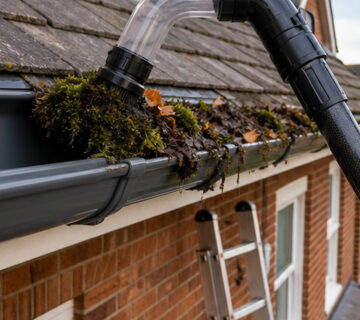
Our gutter cleaning service can also help reduce damp problems around the garden and property, especially where overflowing gutters are dripping onto fences, walls or paths. For the full exterior clean, many Swansea homeowners combine fence cleaning with our window cleaning services for a fresher look all round.
Ready to get your fence looking its best? Give us a call on 01792 428058, drop us an email at info@swanseawindowcleaner.com, or get in touch through our contact page.