What causes black and red stains on rendered walls
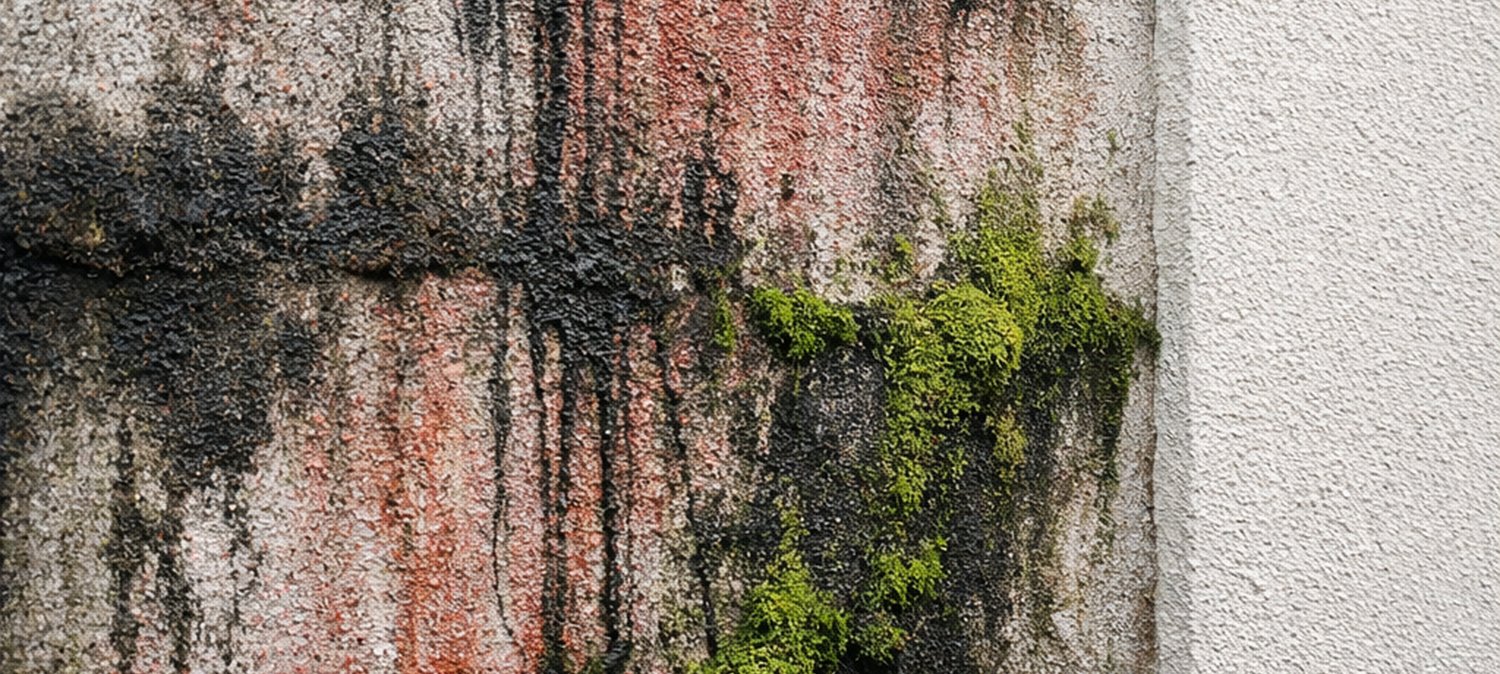
Render has a flair for drama, doesn’t it? One minute your wall looks fresh, the next it has gone full strawberry ripple. Black and red stains on render are usually biological: red or pink staining is airborne Trentepohlia algae, while black staining is commonly mould, fungal growth and algae, sometimes mixed with a bit of urban soot.
The good news is these marks are not usually a sign your render is failing. They’re surface growths encouraged by moisture, shade and the lovely damp coastal air we know so well in Swansea. Algae may be tiny, but it has excellent taste in Welsh weather.
What causes red or pink staining on render?
Red, orange or pink staining on rendered walls is caused by an airborne algae called Trentepohlia. It produces a strong pigment, which is why the stains can look surprisingly bright, especially on pale cream, white or grey render.
It is not rust, and it isn’t normally a structural fault. Homeowners often worry that metalwork or hidden fixings are bleeding through, but in most cases the culprit is simply algae enjoying a free stay on the wall. It does not pay rent.
I will admit, the first time I heard the word Trentepohlia, I thought someone was offering me a fancy pasta dish. One of the lads put me right before I embarrassed myself asking for parmesan.
What causes black staining on render?
Black staining is most commonly caused by black mould, fungal growth and general algae growth. These settle where moisture sits on the render for long periods, especially on shaded walls that do not dry quickly after rain.
In built-up areas, black marks can sometimes include a touch of soot from air pollution. Around Swansea, the biggest everyday factors are moisture, shade, coastal humidity and water tracking down from above. Basically, if a wall stays damp, nature starts organising a committee meeting on it.
Why modern render stains so easily
Modern renders are often soft, porous and breathable. That’s brilliant for letting the building manage moisture properly, but it also means the surface can hold onto dampness rather than shrug it off.
Once moisture lingers, algae and mould spores have somewhere to settle and spread. The render is doing its job, but it is also handing biological growth a comfy little sofa. Common contributing factors include:
- North-facing or shaded walls that get less sun
- Trees, hedges and dense vegetation close to the property
- Poor airflow around narrow side paths or enclosed gardens
- Leaking or overflowing gutters trickling water down the wall
- Swansea’s humid coastal climate, which rarely needs encouragement
Why soft washing is the right treatment
For render staining, soft washing is the recommended treatment because it uses low pressure and a specialist biocidal solution, aiming to kill the spores and roots rather than just the visible discolouration.
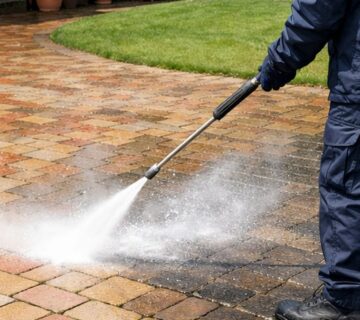
That matters because simply blasting a wall can remove what you see while leaving the problem ready to return. High-pressure jet washing can also crack or chip soft render if used incorrectly. It’s excellent for tougher surfaces like patios and driveways, but render needs a gentler hand.
At D. Sullivan & Sons, our professional soft wash services are designed for delicate exterior surfaces like render, using controlled low pressure, the correct treatment strength and a careful rinse-down. Less wall-wrestling, more science, with a reasonable number of tea breaks.
How to stop staining coming back
You cannot stop airborne algae existing, tempting as that would be. But you can reduce the conditions that help it thrive. Keeping walls drier, brighter and better ventilated makes a real difference.
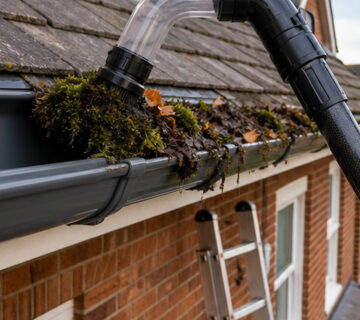
The biggest culprit we see is faulty guttering. If a gutter overflows or a downpipe leaks, water tracks down the same section of wall repeatedly, creating a perfect damp strip for algae and mould. Our gutter cleaning service in Swansea is often a smart first step if staining keeps appearing below rooflines or corners.
It also helps to trim back dense planting and deal with staining before it takes hold. Render cleaning is a bit like dental care for your house. Leave it too long and the appointment gets more involved.
Why call D. Sullivan & Sons?
We’re a family-run Swansea exterior cleaning company, established in 2000, with 40+ years of combined experience. We clean render, roofs, gutters, windows, solar panels, patios and more across the area, and we’re proud to have been featured on BBC’s DIY SOS.
We’re also rated 4.9/5 on Google, which means a lot to us. Most of our work comes down to the same thing: turning up properly, treating the surface correctly and leaving homes looking brighter without causing damage. Even the apprentice agrees, and he’s been outsmarting me since Tuesday.
If you have stains on rendered walls in Swansea, we can assess the cause and recommend the safest treatment. Red, pink and black staining might look stubborn, but with the right soft wash approach, your render can look cleaner and fresher in no time.
To talk to D. Sullivan & Sons about render cleaning, soft washing or related exterior work, get in touch today.
Get in touch through our contact page